
How to Use a Tallow Balm on Your Face and Body
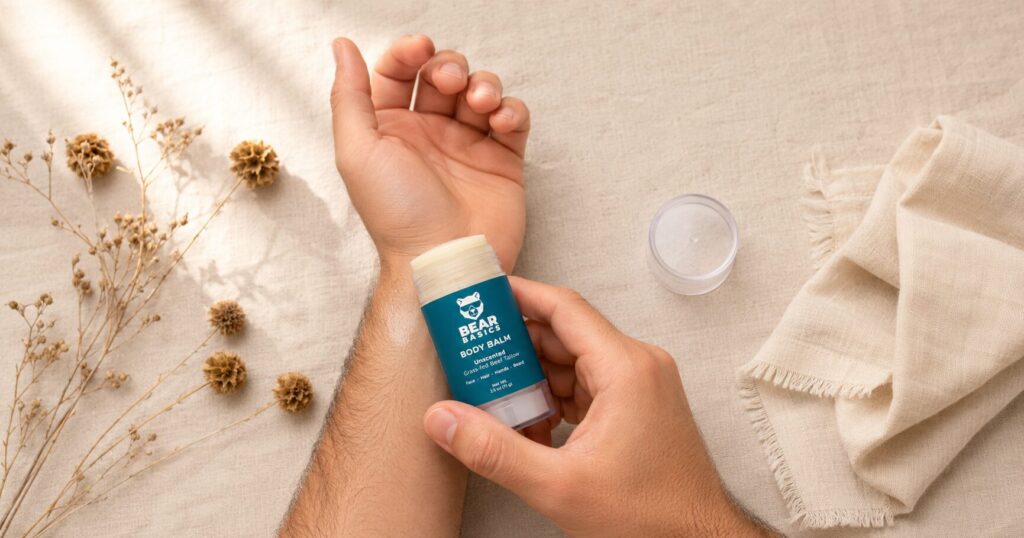
It’s simple: warm a little, apply to slightly damp skin, thin on the face and generous on dry body spots. A little goes a long way — here’s the full…
Is Beef Tallow Good for Acne-Prone Skin?
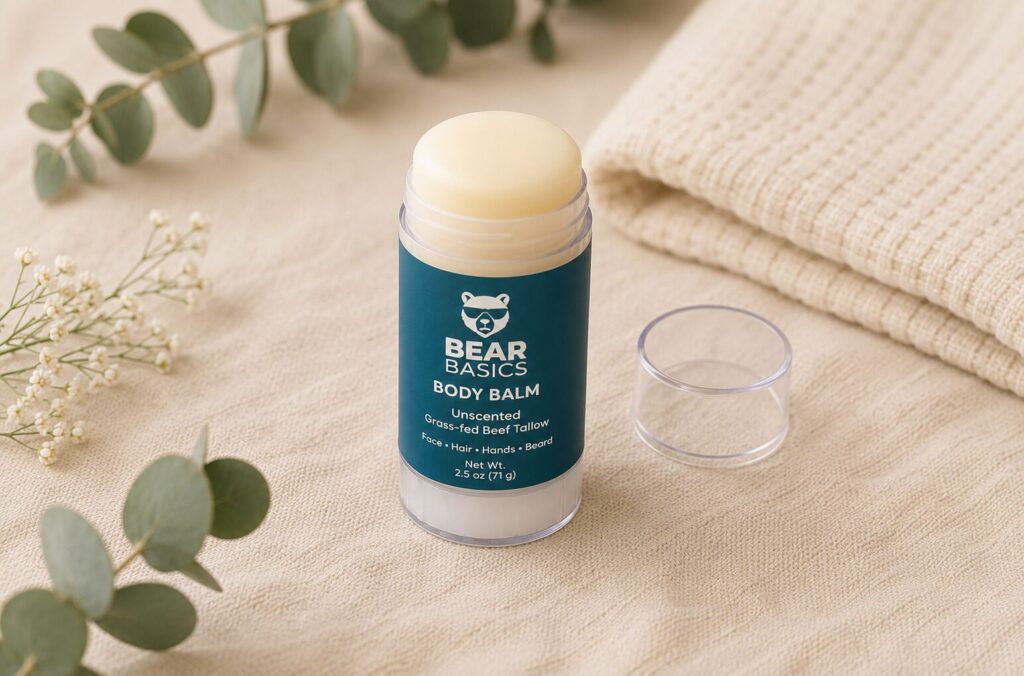
It can suit some acne-prone skin — tallow is widely considered low-comedogenic and similar to skin’s own oils — but it’s individual, and it’s not an acne…
Beeswax vs Candelilla vs Carnauba
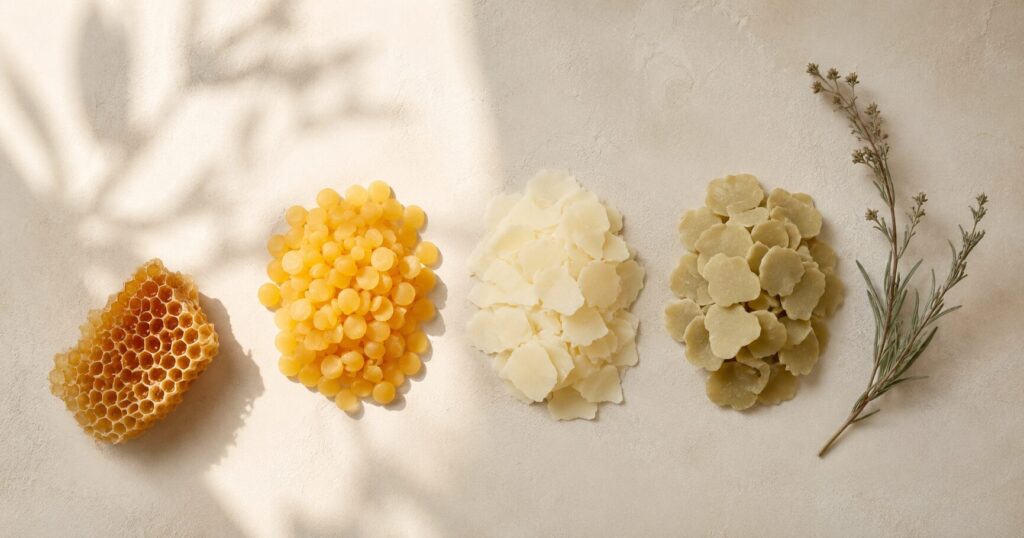
The three waxes behind most balms: one from bees, two from plants — differing in hardness, feel, and vegan status. Here’s how they really compare, and…
Anhydrous (Water-Free) Skincare, Explained
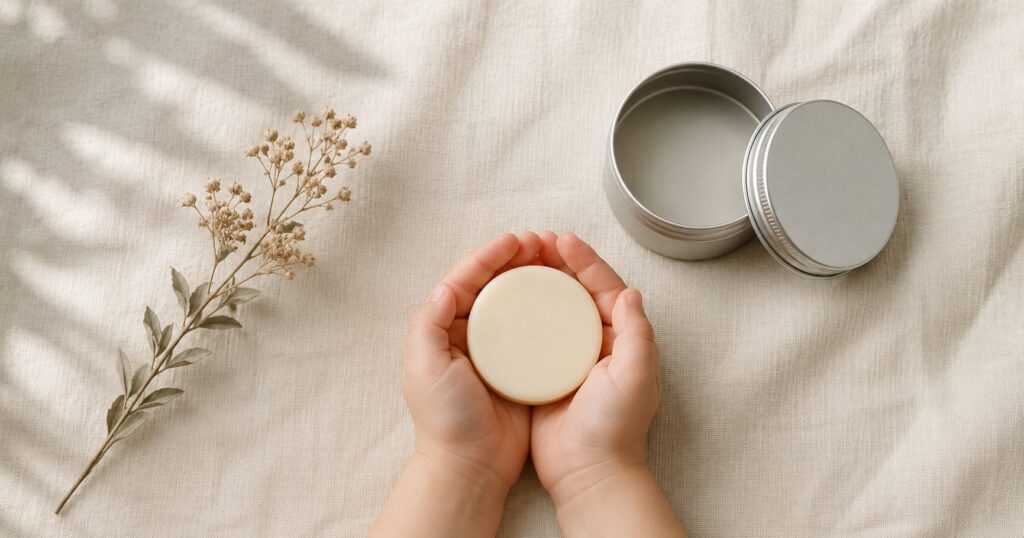
Anhydrous just means water-free — balms, oils, and butters with no water in them. That one difference changes preservatives, concentration, shelf life…
Cracked Heels & Rough Elbows: A Natural Fix
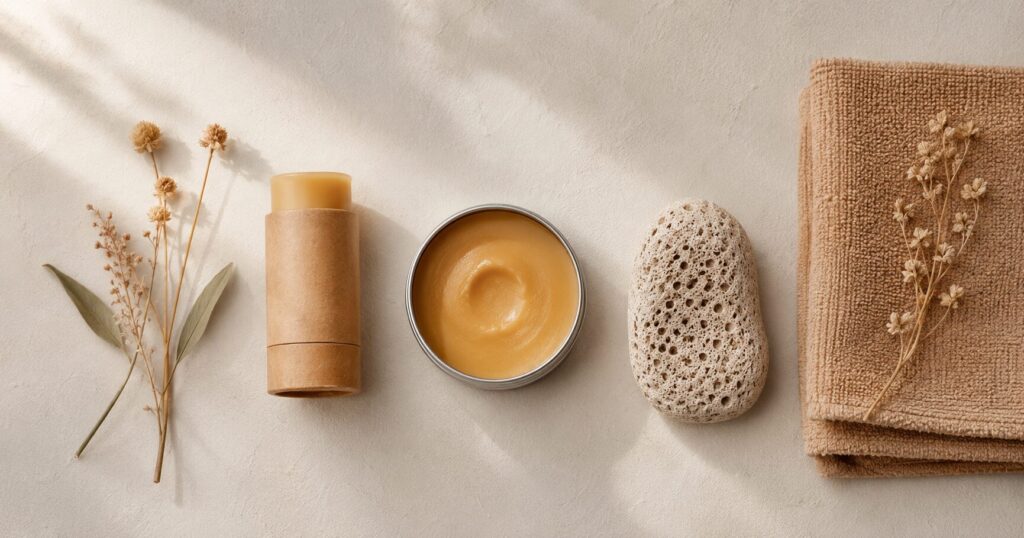
Thick, dry, friction-prone skin needs softening, sealing, and protecting — not scrubbing raw. Here’s a simple 6-step routine to smooth heels and elbows…
The Best Everyday Routine for Dry Skin
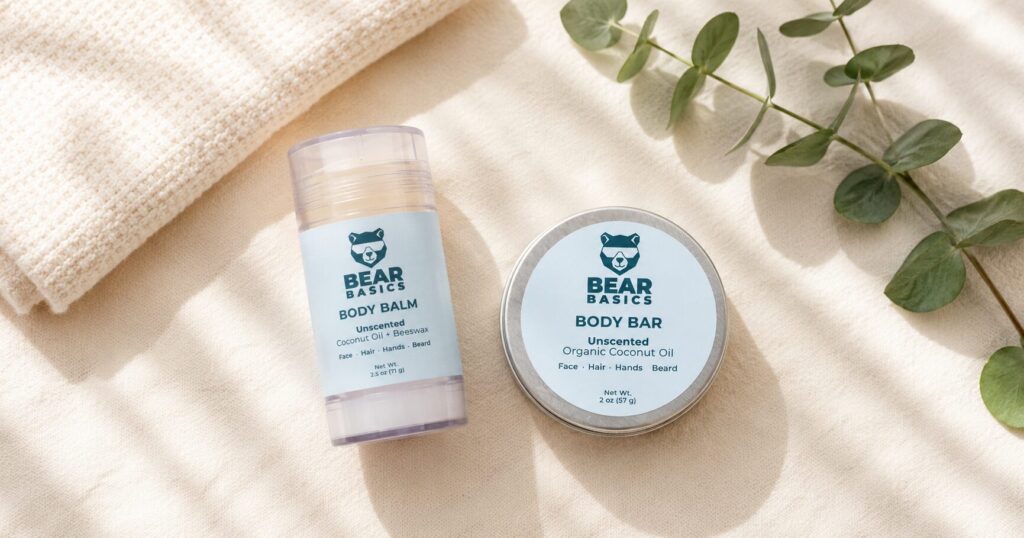
Dry skin doesn’t need more products — it needs the right few, in the right order. Cleanse gently, moisturize on damp skin, seal it in, and protect the…
Virgin vs Refined Coconut Oil for Skin
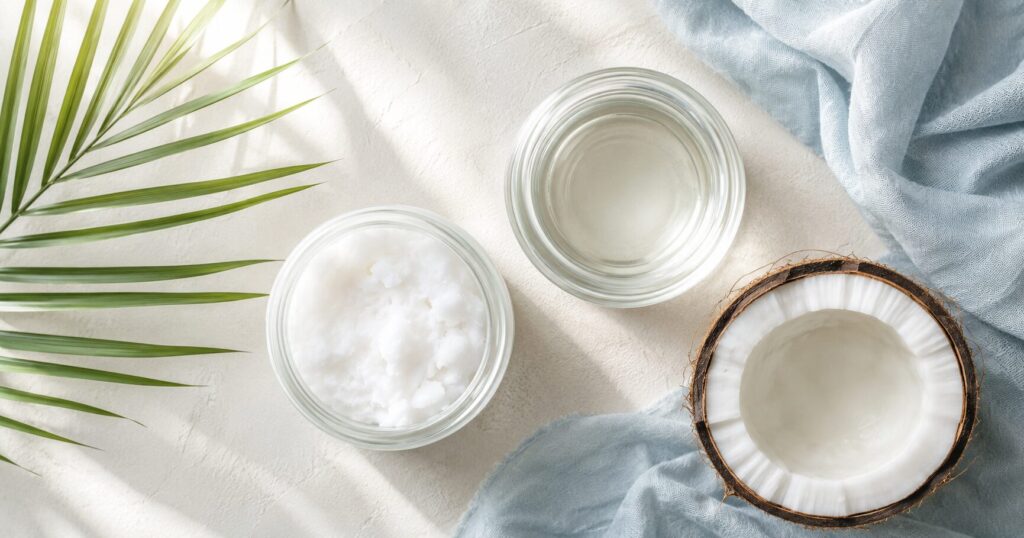
Same base fat, different processing — virgin keeps the coconut scent and more antioxidants; refined is scent-free, shelf-stable, and often cheaper. Here’s…
Do Comedogenic Ratings Actually Matter?
They score how likely an oil is to clog pores, from 0 to 5 — a genuinely useful starting point, but a rough guide, not a guarantee. Here’s when the…
How to Read a Skincare Ingredient Label
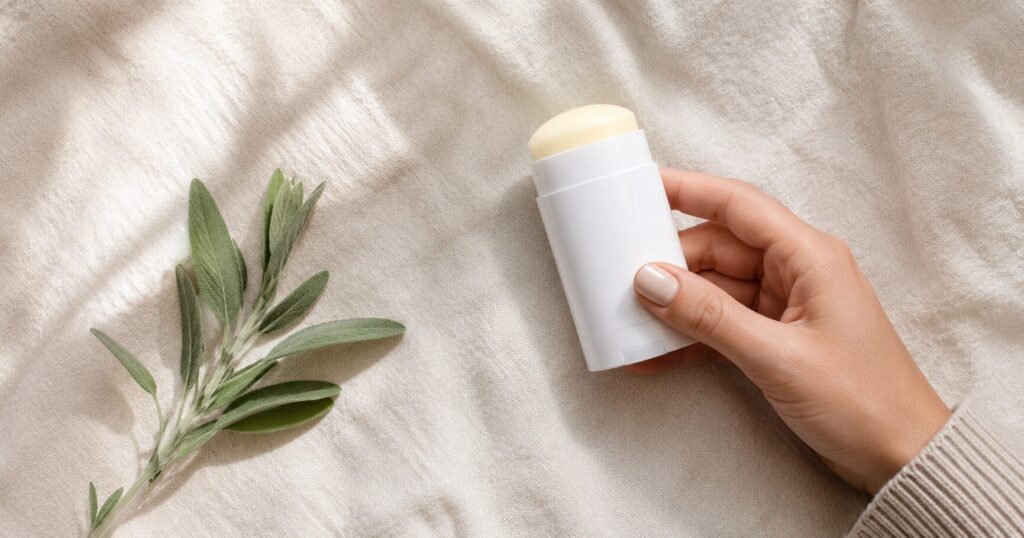
Labels list by amount, hide behind formal names, and bury the good and the questionable in plain sight. Here’s a simple 6-step way to decode any label…
What “Grass-Fed” Really Means for Beef Tallow
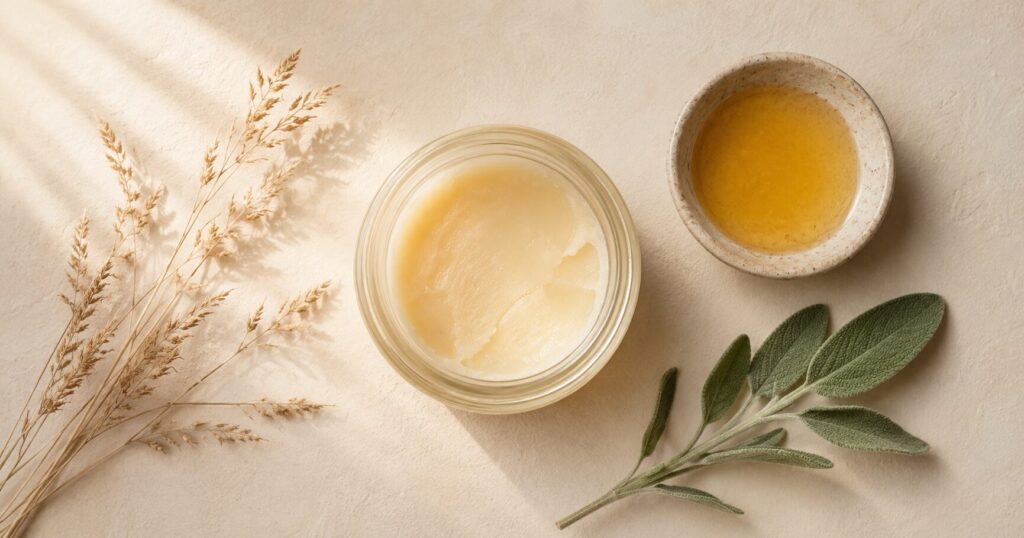
Grass-fed means the cattle were raised on pasture, not finished on grain — and that shifts the fat’s makeup in small but real ways. Here’s what the label…