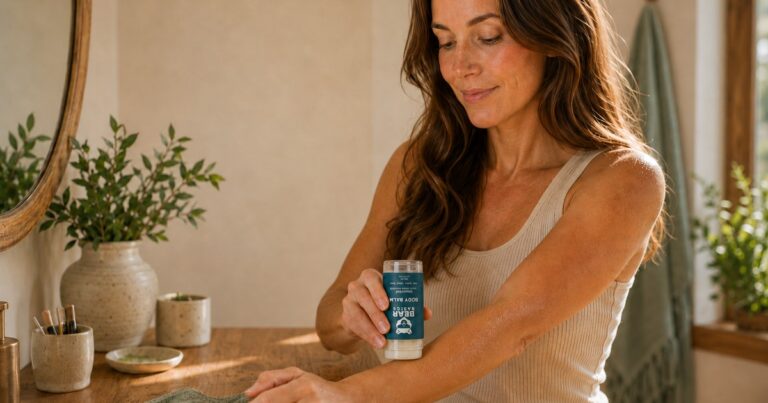
What is grass-fed?
Pasture-raised diet, not grain-finished.

Grass-fed means the cattle were raised on pasture, not finished on grain — and that shifts the fat's makeup in small but real ways. Here's what the label actually means, and why it matters for skincare.

“Grass-fed” beef tallow comes from cattle raised primarily on pasture and forage rather than finished on grain — and that diet shifts the fat’s profile slightly, typically toward a bit more of certain fatty acids and fat-soluble vitamins. The core of the fat is very similar either way, so both grass-fed and grain-fed tallow are skin-compatible moisturizers that work. Grass-fed is the choice if you value the source quality and the marginally richer profile — it’s a preference for quality, not a dramatic difference on your skin.
“Grass-fed” is one of those label words that sounds important but rarely gets explained. When it's on a jar of beef tallow, here's what it actually means: the cattle the tallow came from were raised primarily on pasture and forage, rather than being finished on grain in a feedlot.
That difference in diet shifts the makeup of the fat in small but real ways — typically a slightly richer profile of certain fatty acids and fat-soluble vitamins. The core of the fat is very similar either way, so both grass-fed and grain-fed tallow moisturize skin well. Grass-fed is really about the quality and source of how the animal was raised, plus a marginally better profile that many people value.
This guide breaks down exactly what grass-fed describes, how it differs from related terms like organic and pasture-raised, whether it matters for your skin, and how to tell if a tallow is genuinely grass-fed. For the bigger picture on tallow itself, see is beef tallow good for your skin?
If you take away one idea, let it be this: grass-fed is a real, meaningful sourcing descriptor worth understanding, but the marketing around it sometimes oversells the skincare difference. Our goal here is to give you the honest version, so you can decide whether grass-fed matters to you rather than feeling like you have to chase a buzzword. By the end you'll know exactly what you're paying for when a jar says grass-fed.
Let's be precise, because the term is more specific than it sounds. “Grass-fed” describes the animal's diet: cattle that eat grass and forage (their natural diet) rather than being switched to grain to fatten up quickly.
There's an important sub-distinction worth knowing: grass-fed vs. grass-finished. Some cattle are raised on grass but “finished” (fattened in the final months) on grain — those can still be labeled grass-fed in some contexts. Grass-finished means grass all the way through, including that final period. The most rigorous sourcing is grass-fed and grass-finished. It's a detail worth checking if the distinction matters to you.
This is where a lot of confusion lives, because “grass-fed” on a front label can quietly mean grass-fed-then-grain-finished. That's not necessarily deceptive — it's a common practice — but if the fully pasture-raised version is what you're after, the word to look for is grass-finished, and the brands that do it tend to say so proudly. When a label is specific down to that level, it usually reflects a producer who genuinely cares about their sourcing.
Grass-fed is about what the animal ate, not a beauty or purity grade. It doesn't automatically mean organic, and it isn't a skincare claim. It's a sourcing descriptor — useful, but worth reading precisely.
The two main paths for raising cattle affect the fat differently:
Notice that grain-finished tallow isn't “bad” — it's still a perfectly good, skin-compatible moisturizing fat. The grass-fed version simply carries a marginally richer profile and the sourcing story. For most skincare uses, either works; the choice comes down to what you value.
Here's the honest science, kept simple. What an animal eats influences the composition of its fat. Cattle raised on pasture tend to produce fat with a slightly different fatty-acid balance — often a bit more of certain beneficial fatty acids — compared to grain-finished cattle.
The key word is slightly. We're talking about modest shifts, not a transformation — the fat is fundamentally similar tallow either way. On your skin, both are occlusive, skin-compatible fats that soften and moisturize. So while the grass-fed profile is genuinely a touch richer, it's honest to say the difference you'll feel is subtle. The bigger reasons to choose grass-fed are the sourcing and the marginal quality edge, not a dramatic skincare upgrade.
One of the nicer things about tallow is that it naturally carries fat-soluble vitamins, and grass-fed tallow can carry a bit more of some of them.
Tallow naturally contains small amounts of fat-soluble vitamins such as A, D, E, and K — and because pasture diets can be richer in some of these, grass-fed tallow may carry slightly higher amounts. It's worth being honest about what this means, though: these are naturally occurring bonuses to a good moisturizing fat, present in small amounts. They're a lovely feature of a whole, minimally processed ingredient — not a reason to expect dramatic results or to think of tallow as a vitamin supplement for your skin. Enjoy them as part of the package; don't over-rely on them.
This is one of those places where natural-skincare marketing can get carried away, promising vitamin-powered miracles from a spoonful of fat. We'd rather set the expectation honestly: the vitamins in tallow are real and naturally present, which is genuinely nice, but they're there in the modest amounts you'd expect from a whole-food fat, not megadoses. The main event is still the moisturizing; the vitamins are a pleasant supporting act.
These three terms get used interchangeably, but they mean different things. Here's the clean distinction:
| Term | What it means |
|---|---|
| Grass-fed | The animal's diet — pasture & forage (vs. grain-finished) |
| Pasture-raised | The animal lives outdoors on pasture (about environment) |
| Organic | A certified standard covering feed, land & practices |
A tallow can be one of these without being the others — grass-fed but not certified organic, for instance. That's not a red flag; it just means you should read exactly which term is used rather than assuming they all travel together. Precise sourcing language is a good sign a brand knows (and cares about) where its tallow comes from.
Slightly — and mostly in texture. Grass-fed tallow, especially the whipped, grass-fed variety, often feels a touch softer and creamier at room temperature than standard tallow.
Grass-fed, whipped tallow tends to be softer and creamier than firmer standard tallow — lovely to apply, and it melts easily into skin. Both grass-fed and grain-fed tallow are occlusive moisturizers that sink in and soften dry skin; the grass-fed version just often has a slightly more luxurious feel.
Beyond feel, the experience is much the same: a rich, skin-compatible fat that's excellent for dry areas. If you're comparing tallow to other options, our beef tallow vs shea butter and beef tallow vs coconut oil guides go deeper.
At Bear Basics, we use grass-fed tallow, and it's worth being straight about why — without overselling it.
We choose grass-fed for three honest reasons: the sourcing (pasture-raised cattle, which many of our customers value), the marginally richer fatty-acid and vitamin profile, and the feel of good-quality whipped tallow. We're not going to tell you grass-fed will transform your skin where grain-fed wouldn't — that wouldn't be true, and we'd rather be honest. What we can say is that it's the higher-quality source, it fits our “only the bear necessities” philosophy of using whole, simple, well-sourced ingredients, and it's the version we're happy to put in our products and on our own family's skin.
That last point is the real deciding factor for us. When you make things your own kids and family use, you tend to reach for the better-sourced option almost by instinct, even when the difference is modest. Grass-fed tallow is that instinct made into a sourcing decision — not because we think grain-fed is harmful, but because when we get to choose, we choose the whole, well-raised version and keep everything else about the formula just as simple.
Part of what grass-fed signals is a brand paying attention to sourcing — and that connects to something we care about: whole-animal use.
Tallow is rendered from beef fat, which means using it makes use of a part of the animal that might otherwise be discarded. Pairing grass-fed sourcing with that whole-animal use is a reasonable thing to value — it's a traditional, low-waste ingredient with a long history in skincare. “Sustainable” always depends on the specific farm and practices, so we won't make blanket claims, but thoughtful sourcing plus using the whole animal is part of why tallow appeals to people who like simple, traditional ingredients with a story they can trace.
There's something quietly satisfying about an ingredient you can actually trace: a fat, rendered from a specific animal raised a specific way, that people have used on skin for generations. It's the opposite of a long list of lab-named ingredients you can't picture. That traceability doesn't make grass-fed tallow magic, but it does make it honest — and honesty about what's in a product, and where it came from, is a big part of what we're going for.
Grass-fed tallow usually costs more than grain-finished, so is it worth it? Honestly, it depends on what you value.
There's no wrong answer. Both are good, skin-compatible fats. Grass-fed is a quality-and-values choice, not a necessity — so buy the one that matches what matters to you, and don't feel you're missing out either way.
Your quick guide to telling genuine grass-fed tallow from vague marketing:
Reading these details once tells you a lot about how much a brand cares about its sourcing. For decoding ingredient lists in general, keep an eye out for our upcoming label-reading guide.
Three quick clarifications about grass-fed tallow:
Hold onto the honest middle ground: grass-fed is a genuine quality-and-sourcing step up, not a miracle.
“Grass-fed” beef tallow comes from cattle raised on pasture rather than finished on grain, and that diet gives the fat a slightly richer profile of fatty acids and fat-soluble vitamins. The core of the fat is very similar either way, so both grass-fed and grain-fed tallow are skin-compatible moisturizers that work well — grass-fed is the choice when you value the sourcing, the marginal quality edge, and (for whipped versions) a softer feel.
It's a preference for quality and values, not a dramatic skincare difference — and that honest framing is exactly how we think about it. If you'd like to try simple, grass-fed tallow skincare, explore our tallow line, and see beef tallow skincare benefits for what a good tallow balm actually does.
Megan co-founded Bear Basics and leads design. As a mom, she writes our gentlest, most practical guides — on ingredients, sourcing, and simple family skincare — with an emphasis on honest, well-sourced, and simple. Read the full story →