Quick answer
Toddler skincare is three things: wash gently when they’re dirty, moisturize on damp skin when their skin runs dry, and protect them from sun — mostly with shade, hats, and clothing. Everything else in the toddler aisle is optional at best. Keep products unscented and short on ingredients, patch test anything new for 24 hours, and skip nightly bubble baths and fragranced washes, which are a common source of irritation on skin that’s still maturing. The practical challenge at this age isn’t knowing what to use — it’s applying it to a moving target, which is a scheduling problem more than a skincare one. And any rash that’s persistent, spreading, weeping, or disrupting sleep is a doctor’s question, not a product one.
Answers at a glance6 quick questions
What’s needed?
Gentle wash, moisturizer, sun sense.
Daily lotion?
Only if skin needs it.
Avoid?
Fragrance and nightly bubble baths.
Adult products?
Often fine if simple and unscented.
Won’t sit still?
Attach it to the towel moment.
See a doctor?
Persistent, spreading, or itchy at night.
01 The short answer
Walk the toddler aisle and you’d conclude that a two-year-old requires a regimen: washes, lotions, balms, creams, sprays, all in cheerful bottles with cartoon animals and a smell that follows them around the house.
The honest version is much shorter. Toddler skin is still maturing, does most of its own work well, and needs three things: gentle washing when they’re dirty, a simple moisturizer when it runs dry, and protection from the sun. A great deal of what gets sold for this age group is solving problems that gentler washing habits would have prevented in the first place — and a fair amount of it, being fragranced, is quietly causing them.
So this guide covers the actual three-item routine, the things genuinely worth skipping, the specific situations that come up at this age (chapped cheeks, the sandpit, drool rash, the winter shins), and the part nobody warns you about — that the hard bit isn’t choosing products, it’s applying anything at all to a toddler who has somewhere to be.
02 Safety first
Before anything new — the ground rules
Patch test every new product on a small area for 24 hours before using it more widely, one product at a time. Skip fragrance and essential oils on toddler skin. Never use a product on broken, weeping, or infected skin — that needs a doctor, not a moisturizer. Follow your doctor’s plan if your child has eczema or any diagnosed skin condition; prescribed routines override general advice, including ours. And keep products out of reach — toddlers are excellent at opening things and everything ends up in the mouth.
Two more that belong with those, both specific to this age:
- Sun products are a pediatrician question. Which product, how much, and from what age are all genuinely medical questions in a regulated category — we don’t make sun products and won’t advise on them. Section 7 covers what we can help with: shade, clothing, and timing.
- New rashes deserve attention, not experimentation. The instinct to try another cream on an unexplained rash is understandable and usually the wrong order — a diagnosis first saves weeks of guessing.
03 What changes after babyhood
What actually changes between babyhood and toddlerhood — because the routine shifts less than the logistics do:
- They’re mobile, so they’re dirty in new ways. Sandpits, mud, food worn rather than eaten, playground equipment. The dirt is real now, which means washing has an actual job — but it’s still localized to hands, faces, knees, and feet rather than a whole-body emergency.
- Skin is still maturing. Toddler skin is more reactive and dries out more readily than adult skin, which is why fragrance and harsh washes hit harder here than they would on you.
- They have opinions. The genuinely new variable. A baby accepts a lotion routine; a toddler negotiates, flees, or objects on principle — which is why section 8 exists.
- They’re outdoors more. Sun exposure becomes a daily consideration rather than an occasional one, and weather — wind, cold, sun — starts showing up on cheeks.
- They can start participating. Two- and three-year-olds love doing things themselves, and skincare is an easy place to let them — it builds the habit that becomes the independent routine a few years later.
04 The three-item routine
The entire routine, in three items:
01
A gentle cleanser — used sparingly
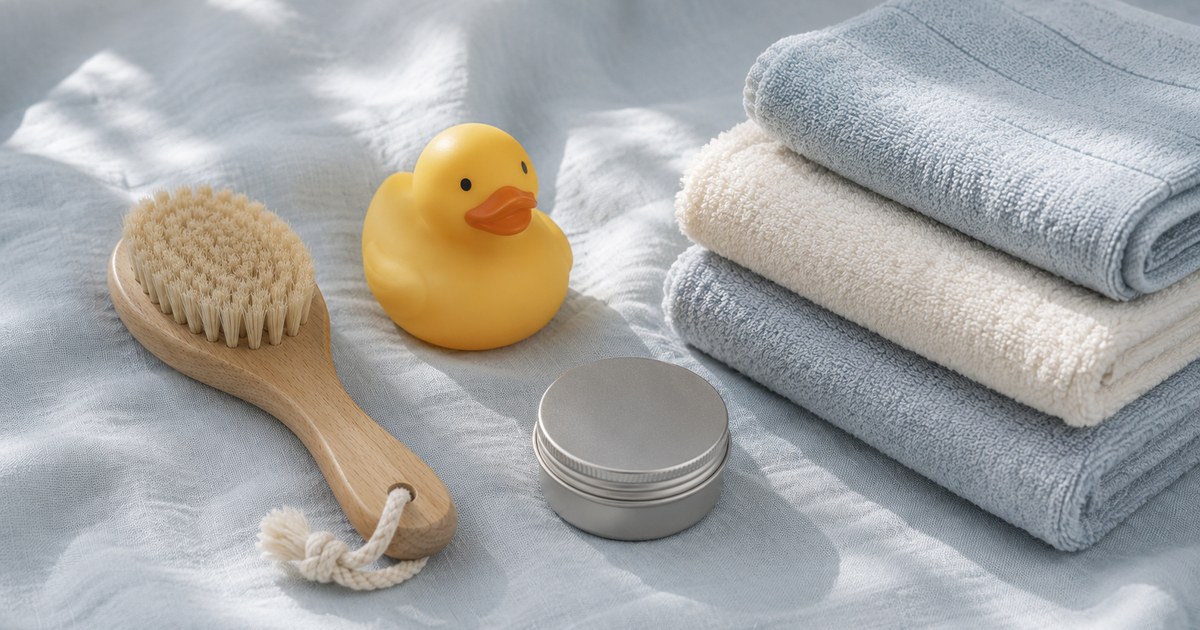
Something mild and unscented, used on the parts that need it rather than the whole child every night. For most toddler days, plain warm water plus cleanser on hands, feet, and anything visibly dirty is genuinely enough. Full-body soap is for genuinely grubby days, not a nightly default.
02
A simple moisturizer — used when needed
A short-ingredient, unscented balm or cream applied on still-damp skin after the bath, on the days their skin looks or feels dry. Not every toddler needs it daily; plenty need it only in winter. Thin layers, warmed in your hands first.
03
Sun protection — mostly free
Shade, timing, hats, and long sleeves handle most of it and cost nothing. For sunscreen specifically, ask your pediatrician — product choice and age guidance belong with the person who knows your child.
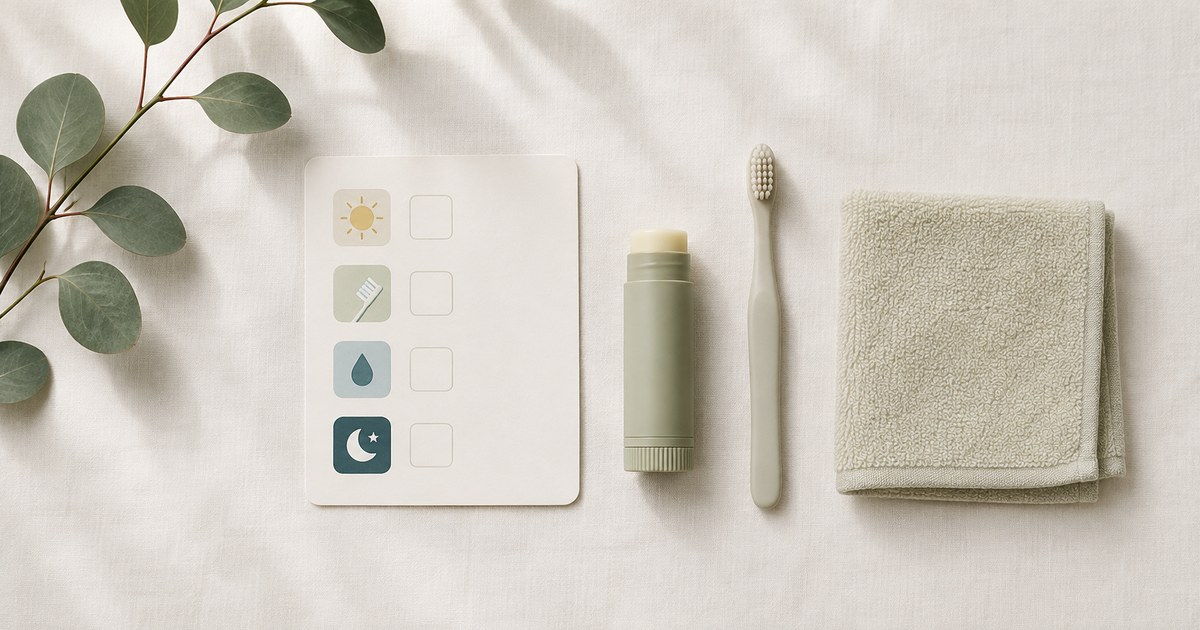
That’s it. If you own those three things and use them sensibly, your toddler’s skincare is complete — and the rest of this guide is technique and troubleshooting rather than shopping.
05 Washing a toddler
Washing, done in the way that keeps skin comfortable:
- Frequency: a few times a week plus messy days suits most toddlers — the full age-by-age picture is in yesterday’s bathing guide. If they look or smell like they need a bath, they do; if not, they probably don’t.
- Warm, not hot. Tested on the inside of your wrist. Hot water strips skin oils faster and is a scald risk at an age when children grab taps.
- Short. Ten minutes of play is plenty; long soaks in soapy water extend exposure without improving cleanliness.
- Soap where it’s needed. Hands, feet, bottom, and visible dirt — plain water elsewhere on most days. This single habit prevents more toddler dryness than any product makes up for.
- Hands are the daily job. Frequently, and always before eating and after the bathroom — the one hygiene habit that genuinely matters every day, and worth teaching properly now.
- Pat dry, stop at damp. Blot rather than rub, and leave skin slightly damp if you’re moisturizing — which sets up the next section.
06 Moisturizing (and when to skip it)
Moisturizing at this age is genuinely optional-and-conditional, which is worth saying plainly because the aisle implies otherwise:
- Moisturize when skin needs it. Dry, flaky, rough, or tight-looking skin is the signal. Comfortable skin needs nothing, and there’s no benefit to applying product to a toddler whose skin is already fine.
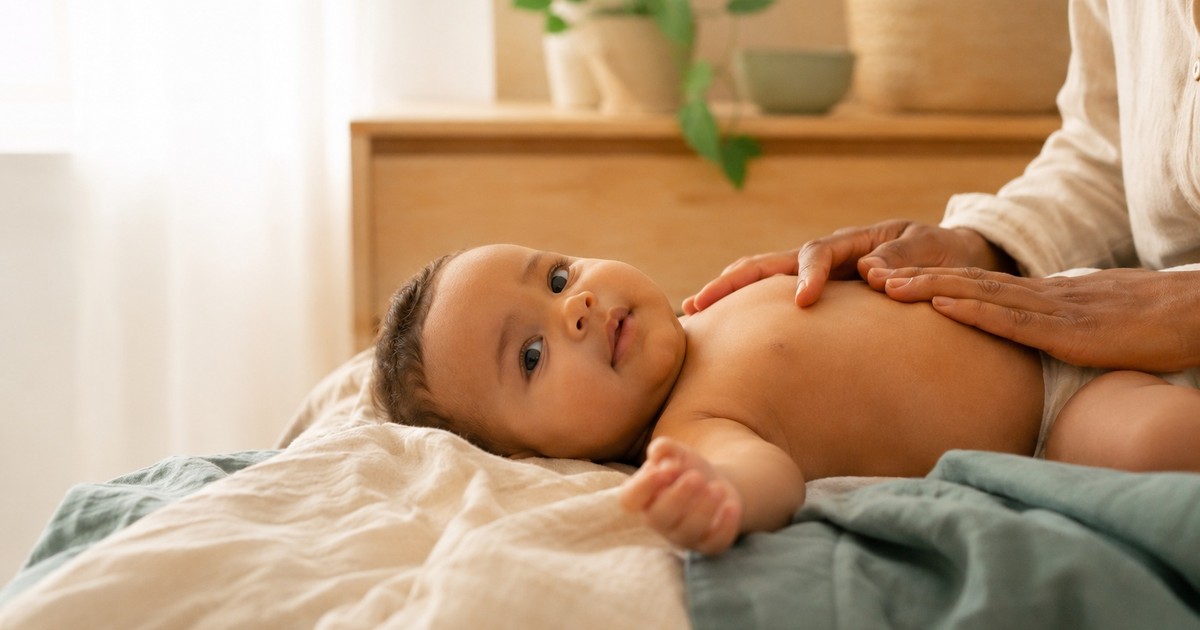
- The damp-skin minute is the technique. Within a few minutes of towelling off, while skin still holds water — you’re sealing moisture in rather than adding it. Same method as every age; it just matters more on skin that dries quickly.
- Thin layers, warmed first. Toddlers need surprisingly little, and cold product on warm skin is a fast route to objection. Rub it between your palms until it melts and spreads easily.
- Target the usual suspects: cheeks, elbows, knees, shins, and the backs of hands — the places toddler dryness concentrates. Whole-body application is rarely necessary.
- Winter changes the answer. The child who needs nothing in July may need it nightly in January, between cold outdoor air and heated indoor air. Adjust with the season rather than setting a rule.
- Simple and unscented, patch tested, one product at a time — so that if something ever does bother their skin, you can actually identify it.
07 Sun protection
Sun protection is where we’re deliberately useful in one lane and deliberately quiet in the other:
- What we can say confidently: shade, timing, and clothing do an enormous amount of the work, they’re free, and they’re fully within a parent’s control. Seeking shade at playgrounds and beaches, avoiding peak-sun hours when the day allows, and defaulting to long sleeves and a wide-brim hat are all straightforwardly good practice for toddlers.
- Hats and clothing are the toddler-friendly options — no application battle, no reapplication timer, no product in the eyes. A hat that stays on is worth more than the best cream you can’t apply.
- Water and reflection intensify exposure — pools, beaches, and snow all reflect light back up, which is worth planning around with shade and cover-ups.
- For sunscreen itself — ask your pediatrician. Which product, how much, how often, and from what age are genuinely medical questions in a regulated category. We don’t make sun products and won’t pretend to advise on them; your child’s doctor has an answer specific to your child.
The honest framing: we’ll help you with the free protections, and hand you off cleanly for the rest. That’s the same line we hold in every routine we write.
08 The wriggle problem
Now the part parenting guides skip: the routine is easy; the toddler is not. Practical strategies that actually work:
01
Attach it to something already happening
Don’t create a new event — toddlers resist new events. Slot it into an existing one: the towel moment after the bath, or the pause before pajamas. The routine that survives is the one that never asked for its own time slot.
02
Warm it in your hands first
Cold product on warm skin causes an immediate objection you then have to negotiate. Ten seconds of rubbing between your palms turns a balm into a warm oil and removes the single most common trigger for the whole struggle.
03
Let them do some of it
Hand them a dab for their own arm or tummy. It will be uneven and mostly decorative — and it converts the activity from something done to them into something they’re part of, which is the entire difference at this age. You can quietly cover the rest.
04
One limb at a time, and accept partial
Legs tonight, arms tomorrow, cheeks whenever they hold still. A partial application that actually happens beats a thorough one that ends in tears — and dry patches only need the product on the dry patches anyway.
05
Make it fast, predictable, and unremarkable
Same order, same few words, done in under a minute. Toddlers resist novelty and negotiation; they tolerate boring routines surprisingly well. Narrating it — “arms, then legs, then done” — gives them the predictability that lowers the resistance.
09 Common toddler skin situations
The specific situations that come up constantly between ages one and four:
- Chapped cheeks. The classic toddler-in-winter look — cold air, wind, and a face that lives outdoors. A thin protective layer before going out and again after helps; so does wiping drool and food promptly rather than letting it sit.
- Drool and food rash around the mouth. Extremely common in the teething and self-feeding years. The main levers are gentle, prompt wiping (pat, don’t scrub) and a barrier layer to reduce constant wetness against skin. Persistent or angry-looking rash is a doctor’s question.
- Winter shins and elbows. Dryness concentrates where skin is thin and moves — the damp-skin minute after the bath handles most of it.
- Sandpit and playground skin. Rinse rather than scrub; sand plus friction is its own irritation. A quick warm rinse beats a vigorous soapy wash.
- Diaper-area care for the still-in-diapers crowd — frequent changes, gentle cleaning, thorough drying, and a barrier product if needed. Persistent, severe, or spreading diaper rash gets a pediatrician; some rashes there are not simple irritation.
- Eczema flares. Common at this age and genuinely medical — if your child has a diagnosis and a prescribed routine, that plan wins over anything general, including our own gentle-rhythm writing.
Want the free family bundle?Two Color & Grow coloring books, our Fam Jams family music, and a plain-English skincare guide — free. Grab the bundle — instant download. 10 What to skip entirely
The short list of things toddler skin is better off without — each with the reason, so you can judge rather than just comply:
- Fragranced products. The single highest-value skip. Fragrance is the most common cosmetic irritant, toddler skin is more reactive than adult skin, and the scent does nothing for the child — it’s there for the shopper. The full argument applies most forcefully at this age.
- Essential oils. Natural, concentrated, and genuinely potent — which is exactly why they don’t belong on young skin. “Natural” was never the safety test.
- Nightly bubble baths and foaming washes. A long soak in soapy water is prolonged exposure for skin that’s still maturing, and these are a recurring source of irritation. Occasional is different from nightly.
- Antibacterial or harsh soaps for routine washing. Overkill for ordinary toddler dirt, and drying. Save the serious cleaning for the parts and days that need it.
- Long ingredient lists you can’t assess. Not because complexity is sinister, but because debuggability matters — if something bothers their skin, a four-ingredient product gives you an answer and a thirty-ingredient one gives you a shrug.
- Anything you haven’t patch tested. Including products that already live happily on your own skin. Different skin, different answer.
11 For the littles vs. grown-ups
One shelf, two very different sets of rules — and in a house with a toddler, both are running daily:
For the littles
- Patch test first — 24 hours, one product at a time.
- Unscented only — no fragrance, no essential oils.
- Only when needed — comfortable skin needs nothing.
- Thin layers, warmed in your hands first.
- Doctor’s plan wins for eczema or any diagnosis.
For grown-ups
- Same product, heavier hand — adult skin takes more.
- Damp skin after the shower is the key moment.
- Hands take the worst — the full system.
- Your routine can be two minutes — simplified here.
- Modeling counts — they copy what they watch you do.
- One unscented, short-list product genuinely can serve both columns — the point of a whole-family shelf.
- Keep the toddler’s products where they can’t reach them, however shared they are.
- Anything medicated stays with the person it was prescribed for.
- Doing your own routine in front of them is half of how the habit transfers.
12 When to ask a professional
The situations where a product decision isn’t the right next step:
- A rash that’s persistent, spreading, painful, weeping, or comes with fever. Any one of those, on its own, is enough.
- Itching that disrupts sleep. A tired, scratching toddler needs an actual assessment — and there are effective treatments for the conditions that cause it.
- Broken or infected-looking skin — never a moisturizer situation.
- Dryness that hasn’t improved after a few weeks of gentler washing and consistent moisturizing.
- Anything you’re worried about. Genuinely — parental instinct about a child’s skin is worth acting on, and pediatricians would far rather see something minor than have you cycle through creams for a month.
The principle: gentle care handles ordinary toddler dryness; medicine handles conditions. Knowing which one you’re looking at is the most useful skill in this whole article — and when you’re not sure, that uncertainty is itself the answer.
13 The bottom line
Toddler skincare, complete: wash gently and less often than you’d think, with soap only where it’s needed; moisturize on still-damp skin on the days their skin runs dry; and handle sun with shade, hats, and sleeves, taking sunscreen questions to your pediatrician. Keep it unscented, keep the ingredient list short, patch test everything, and skip the fragranced bath products entirely.
The rest is logistics — warming the balm, catching the towel moment, letting them do their own arm, accepting the partial application. Toddler skin doesn’t need much. Toddlers, on the other hand, need the routine to be quick, warm, boring, and theirs.
"A partial application that actually happens beats a thorough one that ends in tears."— The honest verdict
The 6 things to remember
- The whole routine is three items: gentle cleanser, simple moisturizer, sun protection.
- Moisturize when skin needs it — on damp skin, thin layers, warmed in your hands.
- Soap only where it’s needed; skip nightly bubble baths and fragranced washes.
- Unscented, short ingredient lists, patch tested one product at a time.
- Attach the routine to the towel moment and let them do part of it themselves.
- Persistent, spreading, weeping, or sleep-disrupting skin is a doctor’s question, not a product one.
Frequently asked
What skincare do toddlers actually need?
Very little: gentle washing when they’re dirty, a simple moisturizer if their skin runs dry, and sun protection outdoors. That’s the whole core. Toddler skin is still maturing and does its own job well when left alone — most “toddler skincare” products are solving problems that gentler washing habits would have prevented.
Do toddlers need moisturizer every day?
Only if their skin needs it. Some toddlers have skin that stays comfortable with nothing at all; others get dry, flaky patches, especially in winter or after frequent baths. Moisturize when skin looks or feels dry, apply on still-damp skin after a bath, and skip it on days it isn’t needed. Doctor-prescribed routines override this entirely.
What products should I avoid on toddler skin?
Fragranced products top the list — fragrance is the most common cosmetic irritant, and toddler skin is more reactive than adult skin. Also worth skipping: essential oils, bubble baths and heavily foaming washes used nightly, harsh or antibacterial soaps for routine washing, and anything with a long ingredient list you can’t assess. Fewer ingredients, fewer variables.
How do I apply lotion to a toddler who won't sit still?
Stop trying to do it all at once. Attach it to something already happening — straight after the bath while they’re on the towel, or during pajamas — warm the product in your hands first so it isn’t a cold shock, do a limb at a time, and let them do some themselves. A partial application that happens beats a thorough one you have to wrestle for.
Is it normal for toddlers to have dry, rough patches?
Mild dryness on cheeks, elbows, knees, and shins is common in toddlers, especially in winter. It usually responds to gentler washing and a simple moisturizer on damp skin. Patches that are persistent, very itchy, weeping, spreading, or accompanied by broken skin are worth a doctor’s look — eczema and other conditions are common at this age and have real treatments.
Can toddlers use adult moisturizer?
Often yes, if it’s simple and unscented — skin doesn’t read labels, and a short-ingredient balm works across ages. The reasons to use something specific are fragrance (adult products often have it), actives that aren’t appropriate for young skin, and any doctor’s instruction. Patch test on your toddler even if the product already lives on your own skin.
How do I protect a toddler from the sun?
Shade, timing, clothing, and hats do most of the work, and they’re free: avoid peak sun hours where you can, use long sleeves and wide-brim hats, and seek shade at playgrounds and beaches. For sunscreen — which product, how much, and from what age — ask your pediatrician; sun products are a regulated category and your doctor’s guidance for your child is the right source.
When should I take my toddler to the doctor about their skin?
When a rash is persistent, spreading, painful, weeping, or accompanied by fever; when itching disrupts sleep; when skin is broken or looks infected; or when weeks of gentle care haven’t improved dryness. Toddler skin conditions are common and treatable, and getting an actual diagnosis beats cycling through products hoping one works.
Megan Smith
Co-Founder, Bear Basics
Megan co-founded Bear Basics and leads design. As a mom, she writes our gentlest, most practical guides — on ingredients, sourcing, and simple family skincare — with an emphasis on honest, well-sourced, and simple. Read the full story →
Short lists, small people.Unscented, four-ingredient balms simple enough for toddler skin and useful enough for yours. Prefer Amazon? Find us there too.Shop body care